

Webbing is one of the most versatile and essential materials used across outdoor adventures, safety equipment, and utility applications. Whether you are scaling a cliff, securing heavy loads, or crafting custom gear, the right webbing ensures durability, strength, and performance you can rely on. Understanding the difference between flat and tubular webbing, as well as choosing the right material, can make all the difference in both safety and efficiency.

Understanding Flat and Tubular Webbing
What is Webbing and Why It’s Essential
Webbing is a strong, woven fabric strip made from synthetic fibers like nylon, polyester, or polypropylene. It is used in a wide range of applications thanks to its impressive strength-to-weight ratio and flexibility. Unlike a standard rope, webbing lies flat, making it ideal for use in safety harnesses, climbing gear, seat belts, and load securing systems.
Differences Between Flat and Tubular Webbing
Flat webbing is a single layer of tightly woven fibers, offering excellent tensile strength and resistance to wear. Tubular webbing, on the other hand, is made by weaving fibers into a tube shape, creating a softer feel with added cushioning. While flat webbing is great for applications where rigidity is preferred, tubular webbing is favored in climbing and rescue work for its flexibility and ability to absorb friction.
Applications of Webbing in Outdoor and Safety Use
Climbing Gear and Rescue Operations
Climbers and rescue teams rely heavily on climbing webbing for its strength and adaptability. Tubular webbing is often the choice for anchoring, knotting, and creating harnesses due to its shock absorption and durability. Its ability to lay flat against surfaces helps distribute weight evenly, reducing the risk of failure under load.
Utility and Everyday Applications
Webbing is also essential for utility use, from securing cargo on vehicles to creating custom straps for backpacks and outdoor rope applications. Flat webbing excels in these situations due to its resistance to abrasion and its ability to maintain shape under tension.
Product Spotlight: Polyester Webbing Flat Rope

The Polyester Webbing Flat Rope is engineered for strength and durability, making it ideal for demanding outdoor and utility applications. Made from premium polyester fibers, it resists UV damage, moisture, and wear, ensuring long-lasting performance even in harsh environments. This high strength rope alternative offers the advantage of a flat profile, making it perfect for securing gear, creating tie-downs, and integrating into safety equipment.
Key Features
- High tensile strength for secure load handling
- UV and moisture resistant for outdoor durability
- Maintains shape under tension without stretching
- Smooth, flat design for easy handling and knotting
Choosing the Right Webbing Material
Strength and Durability Factors
The choice of webbing material plays a critical role in performance. Polyester is known for its balance between strength, stretch resistance, and weather resilience. Nylon offers slightly more stretch, which can absorb shocks, but may absorb more water. Polypropylene, while lightweight and affordable, works best in lighter-duty applications where weight savings are essential.
Weather Resistance and Longevity
The Outdoor applications demand webbing that can withstand sun exposure, rain, and temperature fluctuations. Polyester and polypropylene webbing excel in these conditions, as they resist mold, mildew, and UV degradation better than nylon. Choosing the right webbing material ensures safety and longevity in your gear.
Webbing for Outdoor Adventure Enthusiasts
Climbing Webbing for Safety
In climbing, webbing is a crucial part of the safety system. It can be used to create slings, anchors, and harnesses, often in conjunction with climbing ropes. Tubular climbing webbing is preferred for its flexibility and resistance to abrasion, making it reliable even during intense use.
Using Webbing for Camping and Hiking
Campers and hikers use webbing in countless ways—securing tents, making improvised straps, or hanging gear away from wildlife. Flat polyester webbing is especially valued in these environments for its ability to handle heavy loads without fraying.
Product Spotlight: Lightweight Polypropylene Webbing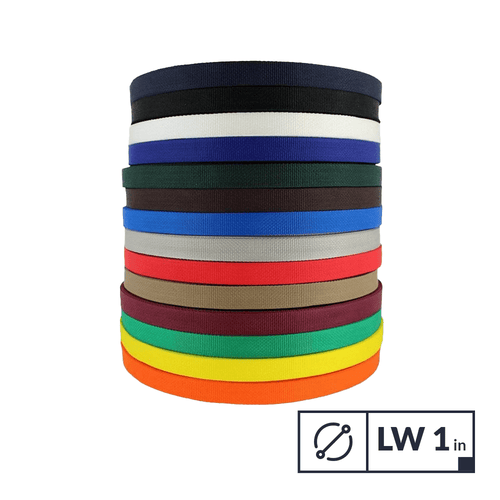
The Lightweight Polypropylene Webbing offers a perfect balance between strength and portability. Designed for light to medium-duty applications, it is water-resistant, easy to handle, and versatile for both indoor and outdoor projects. Ideal for backpack straps, tie-downs, and recreational gear, it provides an affordable and dependable solution without compromising performance.
Key Features
- Lightweight design for easy portability
- Water and mildew resistant for outdoor use
- Flexible and easy to work with in DIY projects
- Cost-effective choice for utility applications
Maintenance and Safety Tips for Webbing
Cleaning and Storage Best Practices
To extend the life of your webbing, clean it regularly with mild soap and water, avoiding harsh chemicals that can damage fibers. Store webbing in a cool, dry place away from direct sunlight to prevent UV damage.
Inspecting for Wear and Tear
Before each use, inspect your webbing for fraying, cuts, or melted fibers. Even small damages can compromise its strength. Replace any webbing that shows signs of significant wear to ensure safety during use.
Where to Buy Quality Webbing
Trusted Suppliers and Brands
When purchasing webbing, it’s important to choose reputable suppliers known for quality and safety standards. SGT Knots is a recognized name in the industry, offering a wide selection of climbing webbing and flat or tubular options suitable for different needs.
Benefits of Online Shopping
With online shopping, you can compare materials, widths, and strengths from the comfort of your home. It also allows access to a wider variety of products, ensuring you find the perfect webbing for your specific application.

FAQs
What is the main difference between flat and tubular webbing?
Flat webbing is a single woven layer that is firm and abrasion-resistant, while tubular webbing has a hollow, tube-like construction that offers more flexibility and cushioning.
Which webbing material is best for outdoor use?
Polyester is often the best choice for outdoor applications because it resists UV damage, moisture, and stretching, making it highly durable in various weather conditions.
Can webbing be used instead of rope?
Yes, webbing can be used in many applications where rope is common, especially when a flat profile is needed for even weight distribution or securing loads.
How do I maintain my webbing for long-term use?
Regular cleaning, proper storage away from sunlight, and routine inspections for wear will help extend the life of your webbing.
Is polypropylene webbing strong enough for climbing?
Polypropylene webbing is generally better suited for light-duty tasks and is not recommended for climbing or heavy-load safety applications.
Conclusion
Flat and tubular webbing serve as indispensable tools for outdoor enthusiasts, safety professionals, and everyday users alike. By understanding the differences in materials, designs, and applications, you can choose the right type of webbing for your needs—whether it’s for climbing gear, cargo securing, or camping equipment. Investing in high-quality webbing ensures performance, safety, and longevity, making it an essential part of your toolkit.


0 Comments